When it comes to buying your first golf clubs, understanding your skill level is super important. Are you just starting out, or have you hit a few balls on the range? Knowing where you stand can help you choose the right clubs that suit your game.
If you're a beginner, think about getting a set of cavity-back irons. They have a larger sweet spot, which can help you make decent contact with the ball. Also, consider a driver designed for beginners. Look for bigger clubheads and lightweight shafts; they’ll give you the confidence you need to tee off.
Maybe you've dabbled in golf before. In that case, you might want to look for a set that offers a mix of forgiveness and control. Game-improvement clubs could be your go-to, as they balance both ease of use and performance as you continue to grow your skills.
No matter your level, don’t forget about your putter. A good putter can make a world of difference on the green. Spend some time finding one that feels comfortable in your hands. You want something that helps you roll the ball smoothly towards the hole.
Choose the Right Club Type
Picking the right club type can feel like a big deal, especially when you’re just starting out. There are a few main types you should know about: woods, irons, wedges, and putters. Each club has a specific purpose, and understanding that can totally up your game.
Woods are your friends for those long shots off the tee or fairway. They’re designed to hit the ball further and are easier to swing, making them great for beginners. Get yourself a driver and a couple of fairway woods to start. They’ll help you get that distance and confidence on the course.
Irons come in handy for those approach shots. They’re numbered from 3 to 9, with lower numbers hitting farther but harder to control. You’ll probably want a mix of mid and short irons to help you with those tricky shots close to the green. They’re the backbone of any golfer’s set.
Wedges work wonders when you need to get out of trouble. Whether it’s a sand wedge for those bunker shots or a lob wedge for higher, softer landings on the green, having a couple of these in your bag is a must. They can save you strokes when it matters most.
And let’s not forget the putter. This is the club you’ll use the most on the greens, so it’s worth investing some time into choosing one that feels good in your hands. Look for something that gives you confidence as you line up those critical putts.
Set a Budget That Works
When you’re diving into the world of golf, setting a budget is key. Golf clubs can vary greatly in price, so knowing what you’re willing to spend helps narrow down your options. Think about what you can comfortably afford without breaking the bank. This makes shopping way easier.
Begin by figuring out the type of clubs you need. If you're just starting, you don’t need to splurge on the latest high-end models. Look for a basic set that includes a driver, a couple of woods, irons, a putter, and maybe even a wedge. A decent starter set can cost anywhere from $300 to $600. This is where your budget comes into play.
Don’t forget about used clubs! Many golfers sell their lightly used sets, and buying second-hand can save you a chunk of change. Websites, local pro shops, or golf swap events are great places to spot some deals. Just make sure to inspect them for wear and tear before you buy.
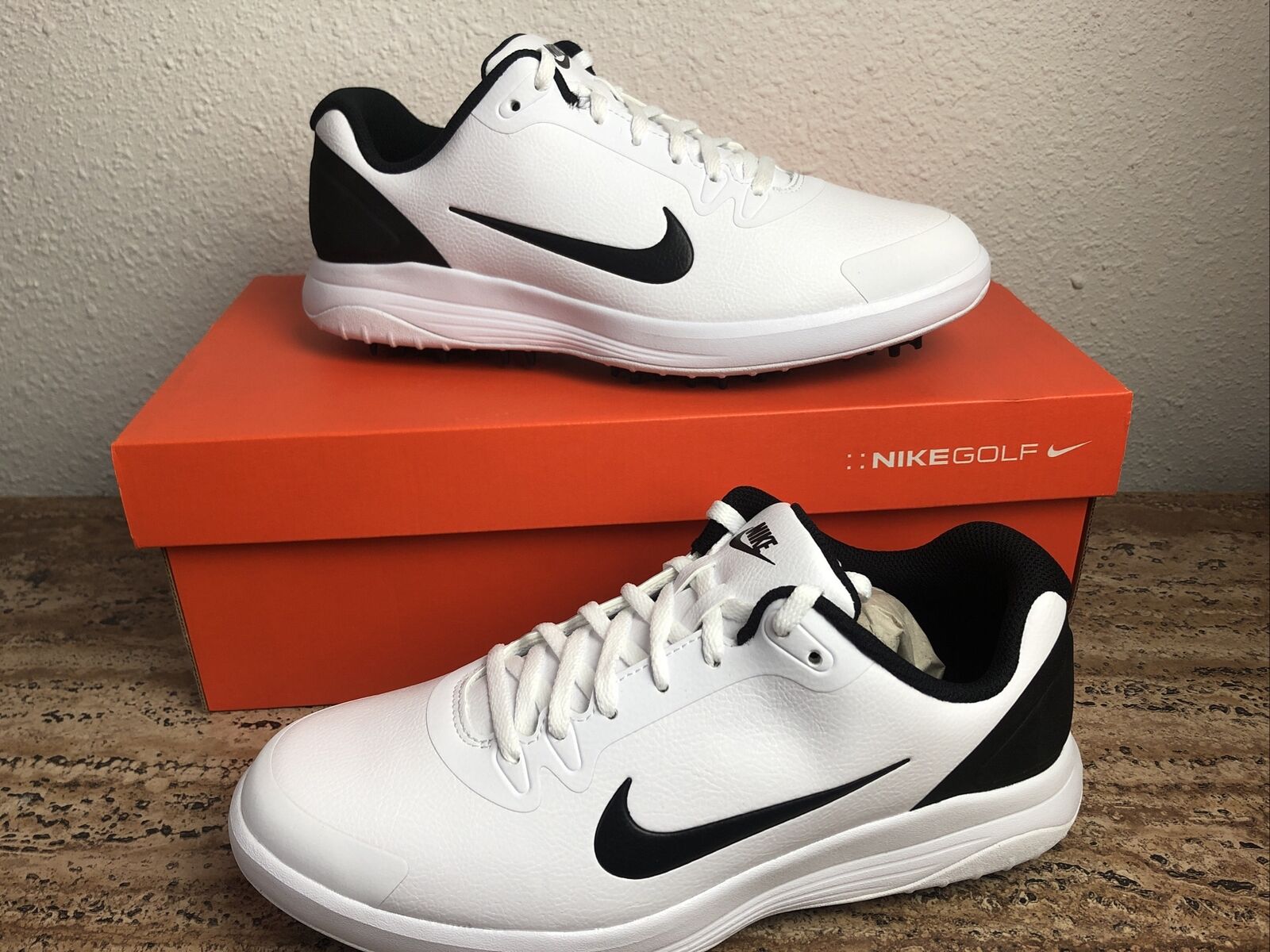
Also, think about any extra costs you might run into. Getting your clubs fitted can really improve your game but can also add to your expenses. Factor in accessories like golf bags, gloves, and shoes. These little things can add up, so it’s good to know what you’re getting into.
Test Clubs Before You Buy
Trying out golf clubs before you commit to buying is super important. You want to make sure they feel right in your hands and suit your swing. Hitting a few balls with different clubs can tell you a lot about how they perform.
Many golf shops offer demo days or fitting sessions, where you can test various clubs. Take advantage of this! Swing a few different brands and models. Focus on the feel, weight, and how they hit the ball. If a club feels comfortable and helps your game, that’s a good sign.
Don’t forget about the fitting process. Getting fitted for clubs can help you find the perfect length and lie angle. This can make a huge difference in your game. Most shops can customize to fit your height, swing speed, and style.
Also, consider renting or borrowing clubs for a round or two. Playing with them on the course gives you real-world experience. You’ll see how they perform under different conditions, which is crucial for any beginner golfer.