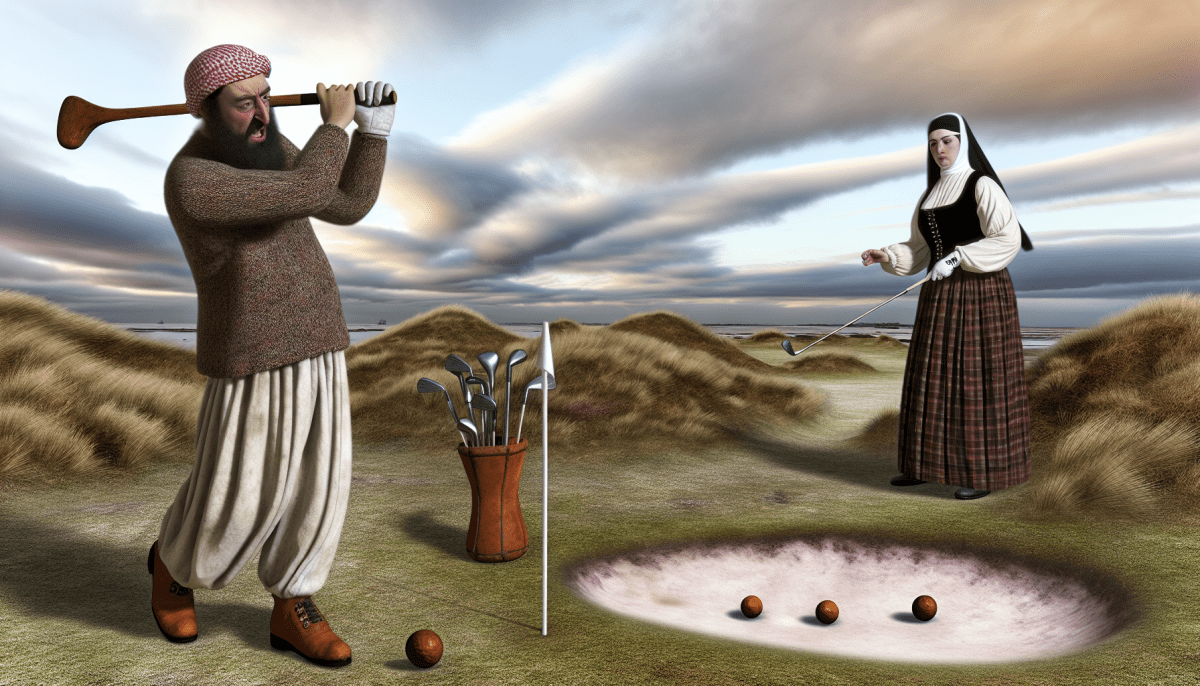
Golf has deep roots in Scotland, where it all began back in the 15th century. It’s fascinating to think that this beloved game we know today started on the rolling hills and lush greens of Scottish countryside. Back then, players hit a small pebble with a stick, marking the first steps to modern golf. Those early games might look a little odd to us now, but they laid the groundwork for the sport we enjoy.
In 1457, King James II took notice of golf and banned it because he thought it distracted his soldiers from practicing archery. Who knew golf could cause such a stir? But despite the ban, the game kept growing in popularity. By the late 1500s, golf really took off. The Old Course at St. Andrews, often called the home of golf, opened up, providing a place for enthusiasts to gather and play.
As the 17th century rolled around, golf was becoming a favorite pastime among royals and commoners alike. This was the time when the first golf clubs popped up, and the concept of golf tournaments started to catch on. The links courses in Scotland, with their rugged terrain and coastal views, offered a challenge that players loved. It’s easy to see why golfers have been drawn to these iconic courses for centuries.
Fast-forward to today, and golf is a global sensation. Yet, even with all the modern twists, the game still holds onto its Scottish roots. Those early days in Scotland created a culture around golf that’s rich with tradition. Taking a swing on a course feels like stepping into history, and it’s exciting to think about all the golfers who paved the way before us.
Evolution of Rules and Equipment
Golf has come a long way since its early days. The rules and equipment have evolved a lot, shaping the game we know and love today. Back in the 15th century, golf was played in Scotland using wooden clubs and balls made of feathers wrapped in leather. Can you imagine swinging a wooden club today? It’s hard to picture!
As the sport gained popularity, players started to see the need for more standardized rules. The first formal rules were introduced in 1744 in Edinburgh. These were pretty basic compared to what golfers follow today. For example, there were no penalties for out-of-bounds shots, and each hole was just rough and rugged.
Fast forward to the 19th century, and things started getting a bit fancier. Golf equipment underwent a major transformation with the introduction of steel shafts and gutta-percha balls. These materials made clubs easier to control and balls more consistent, changing how the game was played. Players could finally hit straighter shots and get a better distance.
In the 20th century, we saw even more innovation. Manufacturers began creating clubs specifically designed for different types of shots—drivers, irons, and putters, oh my! Each club has its purpose, and they’re made from advanced materials to help with performance. These days, golfers can choose from a huge range of brands, styles, and technologies to fit their unique playing style.
Today’s rules are managed by organizations like the USGA and R&A, ensuring that the game maintains its traditional spirit while adapting to new trends. Technology has changed how golfers train and improve, but the essence of a good round on the course remains the same. Golf is still about enjoying time with friends, soaking in the outdoors, and maybe even scoring the occasional birdie!
The Birth of Major Championships
Major championships are a huge part of golf's history, and they began making waves in the late 19th century. The first one to really stand out was The Open Championship in 1860. It grabbed attention and laid the groundwork for what we now call the majors. Held in Scotland, this event had just 8 competitors, but the excitement it generated was enough to make it the talk of the town.
As time went on, more tournaments started popping up that would earn the "major" title. The U.S. Open kicked off in 1895, bringing a whole new level of competition and prestige to the game. It quickly became a must-watch for players and fans alike. To this day, these championships attract the best golfers from around the world, showcasing their talent on the biggest stages.
Following closely behind were the PGA Championship, which started in 1916, and the Masters Tournament, debuting in 1934. Each of these events brought its own unique charm and excitement. The Masters, in particular, with its stunning Augusta National course and green jacket tradition, has become a highlight of the golfing calendar.
Over the decades, these major championships evolved and grew. They didn't just shape the game; they created legends. Names like Jack Nicklaus, Tiger Woods, and Annika Sörenstam became household names through their success in these crucial tournaments. Their achievements inspired a new generation of golfers and brought even more fans to the sport.
Golf's Global Impact and Popularity
Golf isn't just a game; it's a global phenomenon. From the rolling greens of Scotland, where it all began, to sprawling courses in the deserts of Arizona, the love for golf knows no borders. People from all walks of life pick up a club, whether for the thrill of competition or just to enjoy a sunny day outside with friends.
The sport has evolved a lot over the years. It’s not just about playing on the weekend anymore. Major championships like The Masters and the Open Championship attract millions of viewers worldwide, turning golf into a major entertainment event. You see fans buzzing in stadiums and cheering for their favorite players, creating a lively atmosphere that draws in new enthusiasts every year.
Golf also sparks a strong sense of community. Local clubs and charity events offer a chance for people to connect, support good causes, and build friendships. Plus, with programs aimed at getting kids and underprivileged communities involved, the sport is growing in diversity and accessibility. This means more golfers of different backgrounds are picking up clubs and experiencing the joy of the game.
As technology advances, golf keeps evolving. From tracking apps to high-tech training aids, the tools available today help players improve their game and enjoy it even more. Whether you're hitting the links for fun or aiming to become the next golf superstar, there’s something in this sport for everyone, and that's a big part of why it continues to thrive globally.